
Secure storage
Keep sensitive credentials under local control and pair them with offline backup.
Keep wallet credentials under your control, back up recovery material offline, review multi-chain assets, and verify network, address and amount before signing.
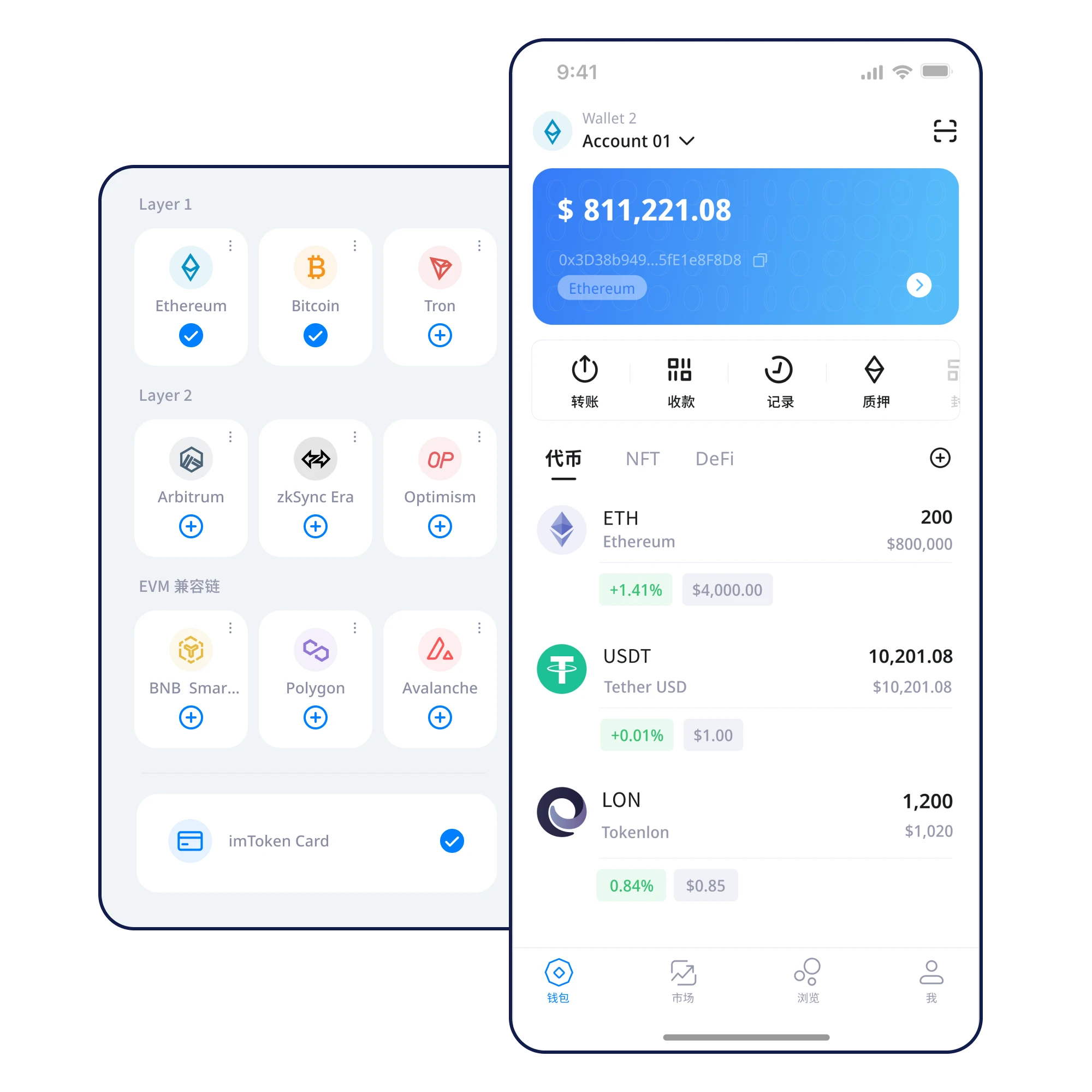
The interface keeps network, backup and transaction context close to the assets you are reviewing, without pretending to show live market data.
These capability labels describe interface directions and user tasks; they are not claims about returns, TVL, user counts, or financial performance.
Keep sensitive credentials under local control and pair them with offline backup.
Keep asset and network context visible when switching across chains.
Present network, asset and confirmation context clearly before any swap flow.
Organize collectible assets with the same emphasis on network context and ownership.
Surface connection and permission context before users interact with external protocols.
Keep market information visually separate from wallet security and backup status.
Each step includes one action and one check, so the process fills the full page width instead of becoming a narrow timeline with empty space.
Start from the intended download page and avoid unexpected redirects or mirror links.
Complete setup deliberately and understand what information stays on the device.
Write recovery material down offline instead of using screenshots or cloud notes.
Verify the order and readability of the backup before any asset activity.
Add assets by network and keep token and network context visible together.
Check network, address, asset and amount immediately before signing.
Local key management is paired with offline backup and a recovery path you understand. The goal is to reduce unnecessary exposure, not to promise absolute safety.
Explore local keys →
A backup should be complete, private and understandable. Device changes become much easier when the recovery material has already been verified.
Plan device recovery →Network, destination address, asset and amount should be reviewed together. If the context changes, stop and verify again.
See risk alerts →
Keep important credentials under your control and understand where they are stored.
Review network, address, amount and permissions before sensitive actions.
Back up recovery material before you need it and know how to use it safely.
Move from setup to security, assets and recovery without losing the context of what comes next.
Create a wallet and understand the first backup.
Verify the source and complete first-run setup.
Understand keys, phrases and cold-wallet principles.
Review assets by network and token context.
Restore access and plan device changes.
Recognize phishing and wrong-network risk.
See local key and risk alert concepts.
Find answers to common wallet questions.
Understand local credentials and finish backup before asset activity.
Match the token to the correct network before adding or receiving.
Verify network, address, asset and amount immediately before signing.
Keep network context visible when switching between public chains and Layer 2 environments.
The safest routine is often the one you can repeat without thinking too much.
No. Treat it as a highly sensitive credential and do not disclose it in chats, forms or support requests.
USDT exists on multiple networks. The selected network must match the intended receive or transfer path.
Review the network, address, asset, amount and any permission request immediately before signing.
Use the intended download path and complete your backup before moving assets.
⬇ Download Now